Shopping Trends That Are Shaping 2026 Fashion Retail
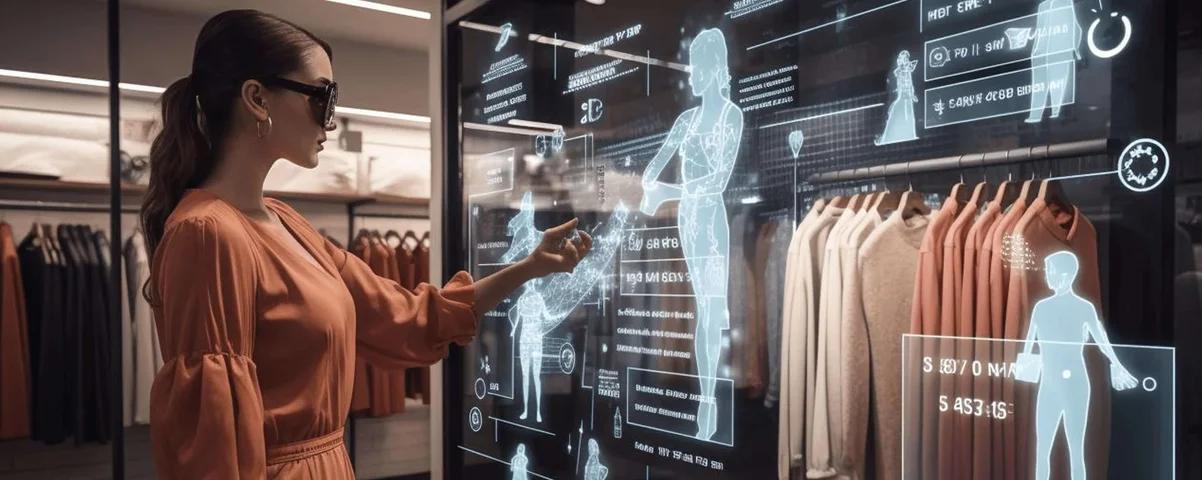
Fashion retail in 2026 is evolving faster than at any point in the past decade. Consumer expectations are shifting toward personalization, sustainability, digital integration, and smarter purchasing decisions. Retailers are adapting quickly by redesigning both in-store and online experiences to match how people actually shop today.
Understanding these shopping trends helps consumers make better buying choices and helps businesses stay competitive in a rapidly changing environment. The following trends are shaping how fashion is discovered, evaluated, and purchased across physical stores and digital platforms.
Personalization Is Becoming the New Retail Standard
One of the most influential trends shaping fashion retail in 2026 is personalized shopping. Customers increasingly expect brands to understand their preferences, sizes, and style habits.
Retailers are responding by offering:
- Customized product recommendations
- Personalized email styling suggestions
- AI-supported outfit matching tools
- Purchase history-based styling alerts
- Tailored loyalty rewards
Personalization improves convenience while making shopping feel more intentional rather than overwhelming.
Hybrid Shopping Experiences Are Now the Norm
The distinction between online and in-store shopping continues to fade. Instead of choosing one channel, customers now move smoothly between both.
Modern hybrid shopping behaviors include:
- Browsing online before visiting stores
- Trying items in-store before purchasing online
- Reserving products digitally for pickup
- Using mobile apps inside physical retail spaces
Retailers that support seamless movement between platforms are seeing stronger customer engagement and retention.
Sustainability Is Influencing Purchase Decisions More Than Ever
Sustainability is no longer a niche concern. It has become a central factor shaping fashion purchasing behavior in 2026.
Customers increasingly consider:
- Fabric origin transparency
- Responsible production practices
- Longevity of garments
- Packaging materials
- Repair and recycling options
Retailers that communicate sustainability clearly are gaining long-term customer trust.
Smaller Collections Are Replacing Large Seasonal Drops
Traditional fashion calendars are shifting away from oversized seasonal releases. Many retailers are moving toward smaller, more frequent collection updates.
Benefits of this approach include:
- Reduced inventory waste
- Improved product relevance
- Faster response to customer feedback
- Increased exclusivity perception
Shoppers benefit from fresher selections without the pressure of overwhelming inventory volumes.
Smart Technology Is Enhancing the Fitting Room Experience
Technology is transforming how customers evaluate clothing before purchasing. Digital fitting tools are improving accuracy and convenience both online and in stores.
Examples of retail technology shaping 2026 include:
- Smart mirrors showing alternate sizes
- Virtual try-on tools
- Body-measurement scanning support
- Digital styling suggestions inside fitting rooms
These tools help customers make confident decisions and reduce return rates.
Mobile Shopping Is Driving Retail Growth
Mobile devices are now the primary shopping platform for many fashion consumers. Retailers are designing experiences specifically for smartphone users rather than adapting desktop platforms.
Mobile-first strategies include:
- Faster checkout systems
- Visual search capabilities
- App-exclusive promotions
- Personalized notifications
- One-touch payment integration
Mobile convenience is reshaping expectations around speed and accessibility.
Secondhand and Resale Markets Are Expanding Rapidly
Resale fashion is becoming an essential part of mainstream retail rather than a separate category. Consumers increasingly appreciate both the sustainability benefits and value opportunities resale offers.
Growth factors behind resale expansion include:
- Budget-conscious shopping behavior
- Interest in vintage styling
- Circular fashion awareness
- Limited-edition product availability
Retailers are responding by launching resale partnerships and trade-in programs.
Local Boutique Retail Is Gaining Renewed Attention
While digital platforms dominate convenience, local boutiques are experiencing renewed interest from shoppers seeking originality and curated experiences.
Boutique advantages include:
- Unique product selections
- Smaller production quantities
- Stronger customer relationships
- Community-centered shopping environments
Consumers increasingly value individuality over mass-market availability.
Data Transparency Is Building Customer Trust
Shoppers today want clear information about what they are buying. Transparency regarding materials, pricing structure, and manufacturing locations is influencing purchasing behavior.
Retailers are responding by providing:
- Detailed product sourcing explanations
- Fabric composition clarity
- Supply chain disclosures
- Pricing breakdown insights
Transparency strengthens credibility and encourages repeat purchases.
Flexible Payment Options Are Expanding Access
Flexible payment methods are reshaping how customers approach fashion purchases. Many retailers now offer alternatives that support budget planning without compromising product quality choices.
Common flexible payment features include:
- Installment-based purchasing options
- Digital wallet integration
- Subscription wardrobe services
- Loyalty-based reward redemption systems
These options increase accessibility while supporting responsible spending habits.
Influencer Partnerships Are Becoming More Authentic
Influencer marketing continues to shape fashion discovery, but audiences now respond more strongly to authenticity than volume.
Retailers are shifting toward:
- Long-term creator partnerships
- Smaller community-focused influencers
- Transparent collaboration messaging
- Real-world styling demonstrations
Authentic storytelling builds stronger trust than short-term promotional campaigns.
Demand for Versatile Clothing Is Increasing
Customers in 2026 prioritize garments that serve multiple purposes rather than single-use pieces. Versatility supports both sustainability goals and practical wardrobe planning.
Examples of versatile fashion demand include:
- Work-to-weekend outfits
- Layer-friendly silhouettes
- Season-spanning fabrics
- Neutral coordination pieces
Retailers designing adaptable clothing are meeting real lifestyle needs more effectively.
Faster Fulfillment Expectations Are Reshaping Logistics
Speed continues to influence customer satisfaction. However, shoppers now expect fast delivery without sacrificing transparency or reliability.
Retailers are improving logistics through:
- Regional inventory hubs
- Same-day pickup availability
- Real-time shipment tracking
- Flexible delivery scheduling
Efficient fulfillment supports customer confidence throughout the purchase process.
Digital Communities Are Influencing Buying Decisions
Shopping is no longer a private activity. Many consumers now rely on community feedback when evaluating purchases.
Community-driven retail behavior includes:
- Style forum discussions
- Social media outfit sharing
- Customer review platforms
- Peer styling inspiration groups
Retailers that support community interaction strengthen engagement and loyalty.
Inclusive Sizing Is Becoming a Core Retail Expectation
Inclusive sizing is increasingly viewed as a standard requirement rather than an optional offering. Customers expect brands to represent a wider range of body types both online and in stores.
Retailers expanding inclusive sizing are improving:
- Fit accuracy
- Customer confidence
- Brand accessibility
- Shopping satisfaction levels
Inclusive representation strengthens long-term brand relationships.
Experiential Retail Spaces Are Returning With Purpose
Physical stores are evolving beyond simple transaction locations. Many retailers are redesigning store environments to create meaningful experiences.
Modern experiential retail features include:
- Styling consultations
- wardrobe planning services
- in-store customization stations
- interactive product demonstrations
These experiences encourage longer visits and deeper brand connections.
Subscription-Based Fashion Services Are Expanding
Subscription styling services continue to grow as customers look for convenience and expert guidance without committing to traditional shopping routines.
Benefits of subscription fashion services include:
- Curated outfit deliveries
- simplified wardrobe building
- styling experimentation support
- reduced decision fatigue
Retailers offering subscription services are addressing the growing demand for efficient wardrobe management.
FAQs About Shopping Trends Shaping 2026 Fashion Retail
Why are shoppers prioritizing personalization more than before
Customers expect retailers to simplify decision-making by offering recommendations that match their preferences, reducing time spent searching for suitable products.
Are physical fashion stores still relevant in 2026
Yes. Physical stores remain important because they provide tactile product evaluation and personalized service that digital platforms cannot fully replace.
How does sustainability influence fashion retail pricing
Sustainable production sometimes increases upfront costs but often improves long-term garment durability and overall value.
What role does artificial intelligence play in modern fashion retail
Artificial intelligence supports recommendation systems, inventory forecasting, and virtual fitting tools that improve the shopping experience.
Why are smaller product collections becoming more common
Retailers are reducing large inventory risks and responding faster to customer preferences by releasing smaller, more targeted collections.
How do resale programs benefit fashion retailers
Resale programs extend product life cycles, attract sustainability-focused customers, and create additional engagement opportunities.
What makes mobile shopping more popular than desktop shopping
Mobile devices allow customers to browse, compare, and purchase items instantly from anywhere, making shopping more convenient and flexible.