Interior Design Trends That Transform Modern Homes
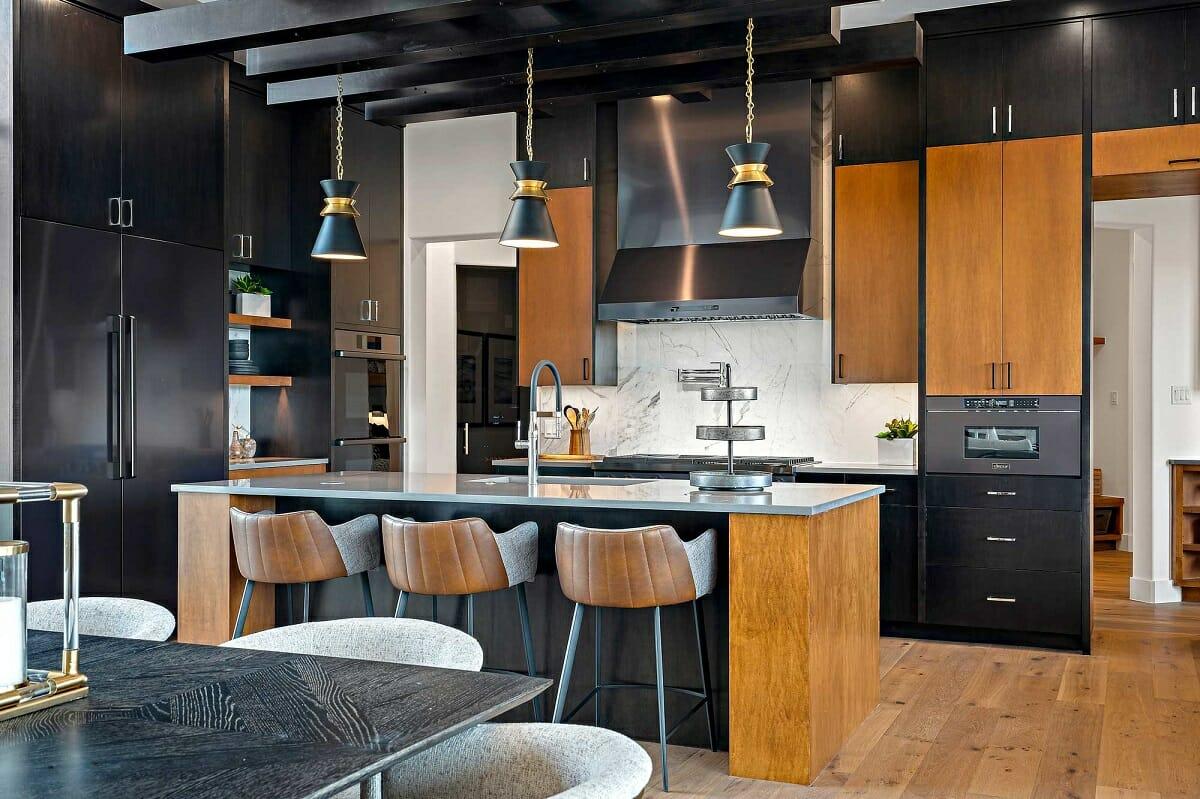
Interior design in modern homes continues to evolve as lifestyles change and homeowners seek spaces that feel both functional and expressive. Today’s interiors are no longer defined by rigid style categories. Instead, they reflect comfort, adaptability, sustainability, and thoughtful personalization. The most influential trends shaping modern homes focus on balance between aesthetics and practicality, allowing spaces to feel timeless rather than temporary.
Understanding these interior design directions helps homeowners make smarter choices that improve everyday living while increasing long-term property value.
Warm Minimalism Replacing Cold Simplicity
Minimalism remains influential, but its tone has shifted. Instead of stark white rooms with sharp edges, modern homes now embrace warm minimalism that blends simplicity with comfort.
Key features of warm minimalism include:
- Soft neutral color palettes
- Natural wood tones
- Textured fabrics
- Layered lighting
- Clean but welcoming layouts
This approach creates calm environments without sacrificing personality or warmth.
Natural Materials Becoming Design Anchors
Modern interior spaces increasingly highlight natural materials as central design elements. These materials introduce texture and authenticity while supporting sustainability goals.
Popular natural materials include:
- Solid wood surfaces
- Stone countertops
- Linen upholstery
- Clay-based finishes
- Woven natural fiber rugs
These elements create visual depth while strengthening the connection between indoor and outdoor environments.
Multifunctional Spaces Supporting Flexible Living
Homes now serve multiple purposes beyond relaxation. Remote work, learning environments, and hybrid schedules require adaptable layouts that support different activities throughout the day.
Design strategies supporting flexibility include:
- Convertible furniture
- Expandable dining areas
- Dual-purpose guest rooms
- Integrated workspace zones
- Modular shelving systems
Flexible interiors allow homeowners to adjust spaces without major renovations.
Layered Lighting Enhancing Mood and Function
Lighting is one of the most transformative elements in modern interior design. Instead of relying on a single overhead source, designers now emphasize layered lighting systems.
Effective layered lighting includes:
- Ambient ceiling lighting
- Task lighting near work areas
- Accent lighting for artwork
- Under-cabinet illumination
- Floor and table lamps for depth
Combining lighting types improves both visual comfort and architectural emphasis.
Earth-Toned Color Palettes Creating Calm Interiors
Modern color palettes are shifting toward natural tones that promote relaxation and cohesion across rooms.
Common earth-inspired shades include:
- Warm beige
- Muted olive
- Soft clay
- Deep sand
- Dusty charcoal
These tones support continuity throughout the home while remaining adaptable to changing décor accents.
Statement Ceilings Adding Visual Interest
Ceilings are becoming active design surfaces rather than overlooked structural elements. Designers increasingly use ceilings to introduce texture, color, or architectural detail.
Popular ceiling treatments include:
- Wood beam accents
- Subtle color contrast finishes
- Coffered ceiling structures
- Linear panel installations
- Decorative plaster textures
Statement ceilings create dimension without requiring additional furniture or décor.
Curved Furniture Softening Interior Layouts
Curved silhouettes are replacing rigid geometric shapes in many modern interiors. These forms improve visual flow and create more inviting environments.
Examples of curved design elements include:
- Rounded sofas
- Oval dining tables
- Arched shelving units
- Curved headboards
- Circular mirrors
These shapes help soften architectural lines and enhance comfort.
Sustainable Design Choices Influencing Material Selection
Sustainability continues to shape interior design decisions. Homeowners increasingly prioritize environmentally responsible materials and durable furnishings.
Common sustainable design strategies include:
- Choosing reclaimed wood
- Selecting low-emission finishes
- Using recycled textile materials
- Installing energy-efficient lighting
- Supporting locally produced décor
Sustainable interiors often age better and reduce long-term replacement costs.
Open Concept Layouts Becoming More Defined
While open concept living remains popular, modern layouts are introducing subtle boundaries that improve organization and functionality.
Design solutions creating structure within open layouts include:
- Area rugs defining zones
- Partial divider shelving
- Ceiling height transitions
- Lighting placement changes
- Furniture-based spatial separation
These adjustments maintain openness while improving usability.
Textured Walls Replacing Flat Surfaces
Walls are evolving from neutral backdrops into active design features that add depth and character.
Popular textured wall treatments include:
- Limewash finishes
- Wood paneling
- Vertical slat accents
- Fabric wall coverings
- Subtle plaster effects
Textured walls enhance visual interest without overwhelming the room.
Kitchen Spaces Becoming Social Centers
Modern kitchens are designed to support both cooking and interaction. Instead of functioning as isolated workspaces, they now serve as gathering areas.
Key kitchen design developments include:
- Larger islands with seating
- Integrated storage systems
- Hidden appliance solutions
- Mixed material cabinetry
- Improved workflow layouts
These features support both efficiency and social engagement.
Integrated Storage Supporting Cleaner Interiors
Clutter reduction remains a priority in modern homes. Integrated storage solutions help maintain visual simplicity without sacrificing practicality.
Effective storage strategies include:
- Built-in shelving systems
- Hidden cabinet compartments
- Under-stair storage areas
- Wall-mounted storage features
- Furniture with concealed storage
Organized interiors create calmer and more functional living environments.
Mixed Metal Finishes Adding Subtle Contrast
Interior hardware and fixtures are no longer limited to a single metal tone. Designers now combine finishes to create layered visual interest.
Common combinations include:
- Brushed brass with matte black
- Polished nickel with warm bronze
- Stainless steel with copper accents
Mixing finishes adds sophistication without overwhelming the space.
Indoor Plants Strengthening Wellness-Oriented Design
Biophilic design continues to influence modern homes. Indoor greenery improves both aesthetic quality and perceived comfort.
Popular plant placement strategies include:
- Entryway greenery accents
- Shelf-integrated planters
- Window-adjacent plant clusters
- Hanging plant installations
- Corner statement plants
Plants introduce movement, color variation, and natural energy into interiors.
Spa-Inspired Bathrooms Becoming Standard Features
Bathrooms are increasingly designed as relaxation environments rather than purely functional spaces.
Spa-inspired features include:
- Walk-in showers with glass panels
- Natural stone surfaces
- Floating vanities
- Soft lighting systems
- Neutral calming color palettes
These features improve daily routines while increasing property appeal.
Personalized Accent Pieces Replacing Generic Décor
Modern homeowners are moving away from uniform décor toward curated interiors that reflect individual identity.
Personalized accents may include:
- Handmade artwork
- Vintage furniture pieces
- Travel-inspired accessories
- Family heirloom décor
- Custom textiles
These elements create interiors that feel authentic rather than staged.
Smart Technology Blending Seamlessly Into Interiors
Technology integration is becoming less visible and more intuitive. Instead of dominating the design, smart systems now support comfort quietly in the background.
Examples include:
- Voice-controlled lighting systems
- Hidden charging stations
- Smart climate controls
- Integrated entertainment systems
- Automated window treatments
These features improve convenience while preserving visual harmony.
Layered Textiles Creating Comfort and Depth
Soft furnishings play an important role in transforming modern interiors into welcoming environments.
Layering textiles may include:
- Area rugs over hardwood flooring
- Mixed cushion fabrics
- Upholstered headboards
- Drapery paired with blinds
- Throws placed strategically across seating
Textile layering enhances both comfort and visual richness.
Outdoor-Indoor Flow Becoming a Design Priority
Modern homes increasingly blur the boundary between indoor and outdoor living spaces.
Design features supporting this transition include:
- Large sliding glass doors
- Covered patios connected to living rooms
- Outdoor dining extensions
- Matching interior and exterior materials
- Coordinated color palettes across spaces
This continuity expands usable living areas and improves lifestyle flexibility.
FAQs About Interior Design Trends That Transform Modern Homes
How can homeowners update interiors without major renovations
Small updates such as lighting improvements, textile layering, and repainting walls can significantly transform a space without structural changes.
Are neutral color palettes still popular in modern interiors
Yes. Neutral palettes remain widely used because they provide flexibility for layering textures and accent colors.
What materials make interiors feel more contemporary
Natural wood, stone surfaces, matte metal finishes, and textured fabrics contribute to a modern appearance.
Do curved furniture pieces work in smaller rooms
Yes. Curved furniture often improves movement flow and reduces visual harshness in compact layouts.
Is open concept design losing popularity
Open layouts remain popular but are increasingly combined with subtle spatial divisions for better organization.
How important is lighting when updating a home interior
Lighting strongly influences mood, functionality, and spatial perception, making it one of the most impactful upgrades.
Can smart technology increase property value in modern homes
Integrated smart systems often improve buyer interest because they enhance convenience, efficiency, and long-term usability