The Hidden Costs of Ignoring Technology in Auto Repair
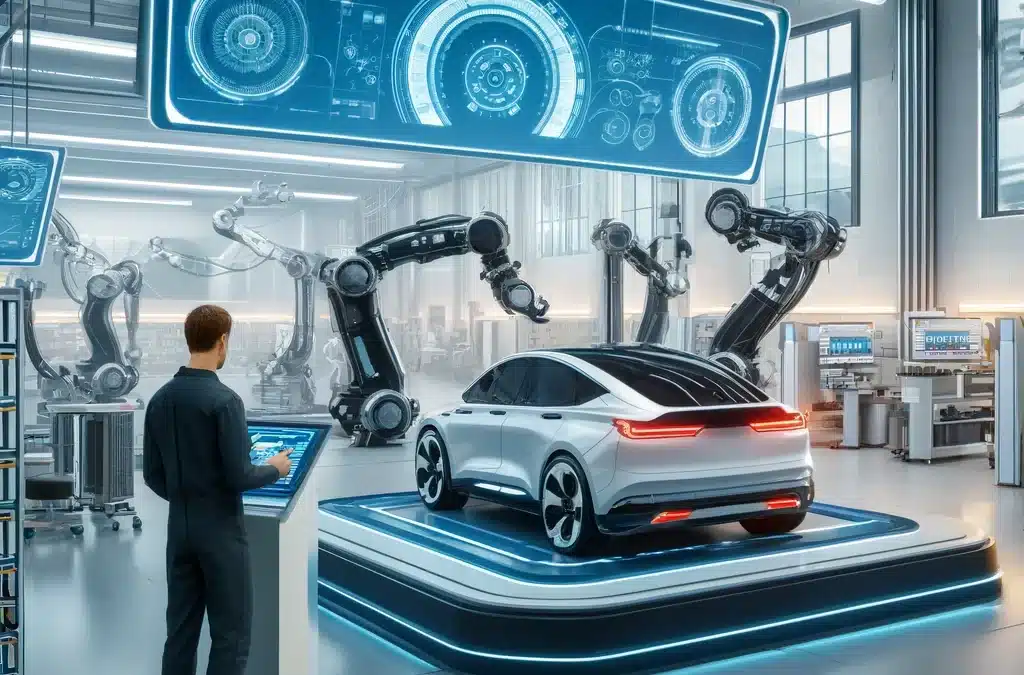
The automotive repair industry has undergone a massive transformation in the past decade. As vehicles have become more sophisticated, with advanced onboard computers, sensors, and diagnostic systems, the way auto repair shops operate must evolve as well. Ignoring modern technology is no longer just an operational setback—it’s a financial liability. The hidden costs of ignoring technology in auto repair extend far beyond outdated tools or inefficient workflows; they impact customer satisfaction, staff productivity, regulatory compliance, and long-term profitability.
In an age where data, automation, and precision define success, repair shops that resist technological change often find themselves losing ground to more adaptive competitors. Understanding these hidden costs is essential for any auto repair business aiming to remain relevant and profitable.
The Growing Role of Technology in Auto Repair
Modern vehicles are essentially computers on wheels. Systems like adaptive cruise control, advanced driver-assistance systems (ADAS), and real-time diagnostics require technicians to use specialized tools and software. Auto repair technology no longer stops at wrenches and lifts—it now involves digital platforms, diagnostic scanners, and predictive analytics.
A shop that embraces technology benefits from faster diagnostics, more accurate repairs, and enhanced customer communication. On the other hand, ignoring these advancements results in rising inefficiencies, costly rework, and declining trust. The ripple effect of technological neglect can quickly escalate into serious financial damage.
Financial Losses from Inefficient Diagnostics
Diagnostic technology is the backbone of modern vehicle servicing. Without accurate scanning tools and up-to-date software, technicians rely on guesswork, leading to misdiagnoses and wasted labor hours. Each incorrect diagnosis can result in part replacements that were never necessary, causing both financial and reputational damage.
How Inefficient Diagnostics Impact the Bottom Line
- Extended Labor Hours: Manual troubleshooting often takes two to three times longer than using diagnostic software.
- Unnecessary Parts Replacement: Misdiagnoses lead to parts being replaced without solving the root issue.
- Customer Dissatisfaction: When customers must return for unresolved issues, trust erodes quickly.
- Reduced Profit Margins: Rework costs cut into profit, turning potential gains into losses.
Modern diagnostic tools not only identify problems faster but also track vehicle data for recurring issues, helping shops anticipate and prevent future failures. Ignoring these tools means losing valuable insights that could improve long-term efficiency.
The Cost of Outdated Equipment and Processes
Technology impacts every aspect of an auto repair operation, from repair bays to billing desks. Shops that rely on outdated equipment or manual processes experience increased downtime, reduced throughput, and inconsistent quality.
Consequences of Operating with Outdated Tools
- Frequent Breakdowns: Older machines require constant maintenance and are prone to failure during high workloads.
- Reduced Repair Accuracy: Advanced vehicles demand precision tools calibrated for electronic systems.
- Higher Training Costs: New technicians often struggle with outdated setups, leading to steep learning curves.
- Lower Productivity: Manual documentation and scheduling waste time that could be spent on billable work.
The short-term cost of upgrading technology often discourages some owners from investing, but the long-term cost of inefficiency is significantly higher. A well-equipped shop can perform more repairs per day, generate more revenue, and improve employee morale by reducing frustration with outdated tools.
The Impact on Customer Retention and Trust
Customer trust is one of the most valuable assets in the auto repair business. When customers perceive that a shop is technologically behind, they associate it with lower quality and outdated practices. Today’s consumers expect digital transparency—real-time updates, accurate estimates, and quick communication.
Ignoring technology directly undermines this trust. For instance, without digital vehicle inspection (DVI) tools, customers cannot visually verify issues with their cars. As a result, they may question repair recommendations and delay approvals, leading to slower turnaround and lower revenue.
Customer-Centric Benefits of Modern Technology
- Transparency: DVI tools allow customers to see photos or videos of needed repairs.
- Speed: Automated communication systems provide instant service updates.
- Convenience: Digital payments and online booking make interactions seamless.
- Personalization: Customer databases enable targeted reminders for maintenance or recalls.
Failure to adopt such systems alienates tech-savvy customers who expect modern convenience from every business they interact with.
Compliance and Liability Risks
Another hidden cost of ignoring technology is the risk of non-compliance. The automotive industry is subject to evolving regulations, especially regarding emissions, data privacy, and safety standards. Shops that do not use updated diagnostic tools or software may inadvertently violate compliance requirements.
For example, when a repair shop uses outdated emissions testing equipment, it risks providing incorrect results, which can lead to penalties or license revocation. Furthermore, outdated cybersecurity practices in shop management systems can expose sensitive customer data to breaches.
Key Compliance Risks of Avoiding Modernization
- Emissions Non-Compliance: Old equipment fails to meet current EPA or state testing standards.
- Data Breaches: Weak cybersecurity exposes customer and payment data to theft.
- Warranty Issues: Manufacturers may void warranties if repairs are performed without certified tools.
- Legal Liability: Incorrect repairs on safety systems like ADAS can lead to accidents and lawsuits.
Investing in modern, compliant systems protects the shop legally and builds credibility with customers and partners alike.
Missed Opportunities for Business Growth
Technology is not just about improving efficiency—it is also a driver of growth. Shops that collect and analyze operational data can identify trends, optimize resources, and uncover new revenue streams. Ignoring this potential limits a shop’s ability to scale or diversify its services.
Examples of Missed Growth Opportunities
- Fleet Maintenance Contracts: Businesses prefer working with data-driven shops that provide detailed reports and predictive maintenance.
- Loyalty Programs: Without a customer relationship management (CRM) system, it’s hard to track repeat clients or offer personalized rewards.
- Marketing Automation: Shops without digital marketing tools struggle to reach new customers efficiently.
- Data-Driven Upselling: Analytics can identify which customers are due for specific services, increasing sales opportunities.
In an industry where margins can be thin, leveraging data is the key to sustained growth. Manual operators who fail to adapt often hit growth plateaus while tech-driven competitors continue to expand.
Labor Inefficiency and Workforce Dissatisfaction
Ignoring technology also impacts staff morale and retention. Skilled technicians increasingly expect to work in environments that embrace innovation. Outdated tools and manual paperwork slow them down and diminish job satisfaction.
Effects of Technological Neglect on Employees
- Frustration: Repeated manual processes and unreliable tools create daily stress.
- Reduced Accuracy: Without proper digital aids, even skilled technicians struggle with modern vehicle systems.
- Lower Retention Rates: Technicians may leave for better-equipped shops.
- Limited Training Access: Modern training systems often require digital integration for interactive learning.
Technological adoption not only boosts operational performance but also creates a culture of continuous improvement that attracts and retains top talent.
The Compounding Effect of Lost Efficiency
One of the most damaging aspects of ignoring technology is the compounding nature of inefficiency. Each manual task, misdiagnosis, or delayed response accumulates over time, eroding profits and customer satisfaction. A shop might lose a few minutes per repair, but across hundreds of jobs per month, this translates into thousands of dollars in wasted labor hours.
Data-driven shops, in contrast, leverage performance analytics to continuously refine processes. They can measure technician efficiency, optimize part ordering, and identify recurring issues—all in real time. Manual shops lack this visibility, leaving inefficiencies hidden until they become crises.
Competitive Disadvantage in a Digital Marketplace
Modern consumers find repair services online. Without a digital presence supported by advanced shop management tools, an auto repair business remains invisible in search results and social media. Ignoring technology doesn’t just affect internal operations—it affects customer acquisition and brand visibility.
Digital technology also enables online reputation management, allowing shops to track reviews and engage customers directly. Manual operators miss out on this powerful marketing channel, limiting their ability to attract new clients or build trust with local audiences.
Digital Competitiveness Indicators
- Online Booking Integration
- Automated Review Requests
- Search Engine Optimization (SEO) Tools
- Digital Estimate Generation
Shops without these tools are perceived as outdated and unprofessional, deterring potential customers before they even visit the shop.
Investing in Technology: A Necessary Evolution
Adopting new technology may seem like a large expense, but in reality, it’s an investment that pays for itself through improved efficiency, customer retention, and operational accuracy. The key lies in choosing systems that integrate smoothly with existing workflows and support long-term scalability.
Key Areas Worth Investing In
- Shop Management Software: Centralizes scheduling, billing, and communication.
- Digital Vehicle Inspection Tools: Enhance transparency and customer trust.
- Advanced Diagnostic Equipment: Ensures accuracy with modern vehicle systems.
- Data Analytics Platforms: Identify performance gaps and forecast demand.
- Cybersecurity Measures: Protect customer data and maintain compliance.
Forward-thinking shops treat technology as an ongoing process, not a one-time upgrade. Regular updates and employee training ensure that the business stays aligned with industry standards and evolving vehicle technologies.
FAQs
Q1. Why do some auto repair shops hesitate to adopt new technology?
Many shop owners fear high upfront costs or lack confidence in using new tools. However, the long-term financial and operational benefits far outweigh the temporary learning curve.
Q2. Can small auto repair shops benefit from digital transformation?
Yes, even small shops can see significant improvements from adopting cloud-based management tools and digital payment systems, which streamline operations without major capital investment.
Q3. What technologies offer the fastest ROI for repair shops?
Diagnostic scanners, digital inspections, and integrated shop management systems typically provide quick returns through reduced labor hours and higher customer approval rates.
Q4. How does ignoring technology affect shop reputation?
Customers perceive outdated operations as less reliable. A modern, tech-enabled shop projects professionalism and builds stronger trust.
Q5. How can a shop begin transitioning to digital systems without disrupting operations?
Start small by implementing one technology at a time, such as digital estimates or scheduling software. Gradual adoption ensures minimal disruption and steady improvement.
The hidden costs of ignoring technology in auto repair are not just financial—they impact efficiency, customer relationships, employee morale, and future growth. In an industry where precision and trust define success, the path forward is clear: embracing technology is no longer optional but essential for long-term sustainability and excellence.


