Boutique Fashion Trends Worth Watching
Boutique fashion continues to shape the direction of modern style by offering individuality, craftsmanship, and curated aesthetics that mass retail cannot replicate. Instead of chasing fast-moving trends, boutique collections often introduce thoughtful designs that reflect emerging cultural shifts, sustainable values, and personal expression.
Understanding boutique fashion trends helps shoppers make smarter wardrobe decisions while maintaining a distinctive look. These trends emphasize quality, originality, and adaptability rather than short-lived novelty. Below are the most influential boutique fashion movements worth watching right now and in the near future.
The Rise of Intentional Wardrobes
One of the strongest boutique fashion movements centers around intentional dressing. Instead of purchasing large quantities of clothing, shoppers are choosing fewer pieces with greater versatility and longevity.
Boutique retailers support this shift by focusing on carefully edited collections that encourage thoughtful styling combinations.
Key features of intentional wardrobes include:
- Neutral color foundations
- High-quality natural fabrics
- Multi-season layering pieces
- Timeless silhouettes
- Limited but meaningful statement items
This trend reflects a growing preference for clothing that works harder rather than wardrobes that grow larger.
Elevated Everyday Basics
Boutiques are redefining everyday essentials by improving fabric quality, tailoring, and finishing details. Basic garments are no longer simple fillers. They have become central style components.
Examples of elevated basics include:
- Structured cotton shirts with refined collars
- Tailored knit tops with subtle texture
- Premium denim with improved fit engineering
- Relaxed trousers that transition from work to weekend
These upgraded essentials form the backbone of boutique collections because they allow customers to build reliable outfit foundations.
Textured Fabrics Taking Center Stage
Texture is becoming one of the most noticeable boutique fashion trends. Designers are using fabric surfaces to create visual interest without relying heavily on prints.
Popular textures currently shaping boutique collections include:
- Crinkled cotton
- Soft brushed linen
- Ribbed knits
- Handwoven blends
- Lightweight boucle
Texture creates dimension while maintaining a sophisticated appearance. It also allows outfits to stand out in subtle ways.
Relaxed Tailoring With Structure
Boutique fashion is moving away from rigid tailoring while preserving clean lines. The result is clothing that looks polished without feeling restrictive.
Relaxed tailoring often includes:
- Wide-leg trousers
- Oversized blazers with soft shoulders
- Cropped structured jackets
- Boxy button-down shirts
This shift reflects modern lifestyle demands where comfort and professionalism must coexist.
Artisan Details and Handcrafted Influence
Boutique designers frequently highlight craftsmanship through small but meaningful details. These elements create individuality that distinguishes boutique garments from factory-produced pieces.
Common artisan-inspired features include:
- Hand embroidery accents
- Natural dye finishes
- Visible stitching techniques
- Handmade buttons
- Raw-edge detailing
These touches reinforce the idea that clothing can carry character and narrative rather than appearing uniform.
Soft Color Palettes With Depth
While bold colors still appear in boutique collections, softer tones are becoming increasingly influential. These shades offer flexibility and layering potential.
Trending boutique palette directions include:
- Dusty blue variations
- Muted sage green tones
- Warm sand neutrals
- Soft clay shades
- Washed charcoal hues
These colors blend easily with existing wardrobes and support mix-and-match styling.
Statement Sleeves Returning With Refinement
Statement sleeves remain relevant but are evolving into more wearable forms. Instead of exaggerated volume, boutiques are introducing subtle shaping that enhances silhouette balance.
Modern sleeve trends include:
- Soft balloon sleeves
- Tapered puff sleeves
- Slightly extended cuffs
- Draped shoulder shaping
These features add personality without overwhelming the outfit.
Capsule-Friendly Layering Pieces
Boutiques increasingly design garments that support capsule wardrobe strategies. Layering pieces are especially important because they allow multiple outfit combinations from fewer items.
Popular capsule-friendly layers include:
- Lightweight cardigans
- Structured vests
- Cropped jackets
- Transitional overshirts
These garments help extend seasonal wear while maintaining style continuity.
Sustainable Fabric Innovation
Sustainability remains one of the most influential forces in boutique fashion. Independent designers are exploring environmentally responsible textiles that support long-term wardrobe use.
Common boutique fabric directions include:
- Organic cotton blends
- Linen from traceable sources
- Regenerated fibers
- Low-impact dye materials
Customers are becoming more aware of fabric origins and production transparency, making sustainability a defining boutique trend rather than a secondary feature.
Signature Accessories With Personality
Accessories in boutique fashion are rarely generic. Instead, they often function as conversation pieces that reflect artistry and individuality.
Popular boutique accessory directions include:
- Sculptural earrings
- Structured leather belts
- Handmade scarves
- Textured handbags
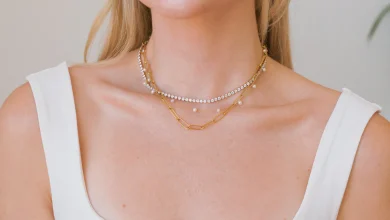
- Minimalist stacked jewelry
These accessories allow customers to personalize simple outfits without changing entire wardrobes.
Versatile Dresses Leading Boutique Collections
Boutique retailers consistently highlight dresses that adapt to multiple occasions. Instead of single-use statement pieces, designers focus on flexible silhouettes.
Versatile boutique dress characteristics include:
- Adjustable waistlines
- Breathable natural fabrics
- Midi-length proportions
- Layer-friendly shapes
- Neutral or muted color palettes
These features allow dresses to transition between casual settings and professional environments.
Gender-Neutral Silhouettes Expanding
Boutique fashion increasingly embraces inclusive silhouettes that prioritize comfort and adaptability over traditional gender distinctions.
Examples of gender-neutral design approaches include:
- Relaxed trousers
- Oversized shirts
- Utility-inspired jackets
- Minimalist knitwear
This movement reflects broader cultural shifts toward expressive personal identity in clothing.
Heritage-Inspired Modern Styling
Boutique designers often reinterpret traditional garments through modern construction methods. Instead of copying historical fashion directly, they update heritage elements for contemporary wardrobes.
Examples include:
- Reinvented workwear jackets
- Updated prairie-style dresses
- Modernized utility shirts
- Structured wrap garments
These pieces feel familiar yet current, which makes them appealing across age groups.
Boutique Denim Becoming More Refined
Denim remains essential in boutique fashion, but it is evolving toward cleaner silhouettes and improved durability.
Key boutique denim developments include:
- Mid-rise straight-leg cuts
- Soft-wash indigo finishes
- Cropped wide-leg styles
- Reinforced stitching details
Rather than chasing seasonal distressing trends, boutiques emphasize timeless denim construction.
Local Design Communities Influencing Collections
Many boutique retailers collaborate directly with regional designers and small-scale producers. This approach creates unique collections that cannot be replicated by global fast-fashion systems.
Benefits of locally influenced boutique fashion include:
- Stronger craftsmanship identity
- Limited production quantities
- Cultural storytelling through clothing
- Support for independent design networks
These collaborations strengthen the authenticity of boutique fashion experiences.
Practical Luxury Becoming a Defining Trend
Practical luxury combines comfort with elevated materials and thoughtful tailoring. Boutique fashion excels in this category because it focuses on wearable sophistication instead of formal exclusivity.
Examples of practical luxury pieces include:
- Soft structured coats
- Premium knit layering sets
- Tailored lounge-inspired trousers
- Refined everyday shirts
This trend reflects the reality that modern wardrobes must serve multiple roles without sacrificing appearance.
Slow Trend Cycles Supporting Personal Style
Unlike mainstream retail, boutique fashion encourages slower trend cycles. This allows shoppers to develop consistent personal aesthetics rather than constantly replacing garments.
Benefits of slower trend cycles include:
- Longer garment lifespan
- Stronger wardrobe cohesion
- Reduced impulse purchasing
- Increased styling creativity
Boutique fashion supports individuality by prioritizing style evolution instead of trend imitation.
FAQs About Boutique Fashion Trends
How is boutique fashion different from department store fashion
Boutique fashion focuses on curated selections, smaller production runs, and distinctive design perspectives rather than broad inventory variety.
Why do boutique collections change more slowly than fast fashion
Boutique retailers emphasize craftsmanship, quality sourcing, and thoughtful seasonal transitions instead of rapid trend turnover.
Are boutique fashion trends suitable for everyday wear
Most boutique trends prioritize versatility, making them practical for daily styling rather than occasional use only.
Is boutique fashion always more expensive than mainstream clothing
While some boutique pieces cost more due to materials and craftsmanship, many offer better long-term value through durability and versatility.
Can boutique trends work for professional wardrobes
Many boutique silhouettes and fabrics support workplace styling, especially structured basics and relaxed tailoring pieces.
Do boutique stores follow global fashion weeks
Boutique retailers often interpret fashion week influences selectively instead of adopting trends directly.
How can someone start building a boutique-inspired wardrobe
Begin with versatile foundation pieces such as tailored shirts, neutral trousers, and textured layering garments that coordinate easily with existing clothing
If you would like, I can also create a companion article on how to shop boutique fashion strategically on a budget while still building a refined wardrobe. ✨👗