Layering Accessories Like a Fashion Expert
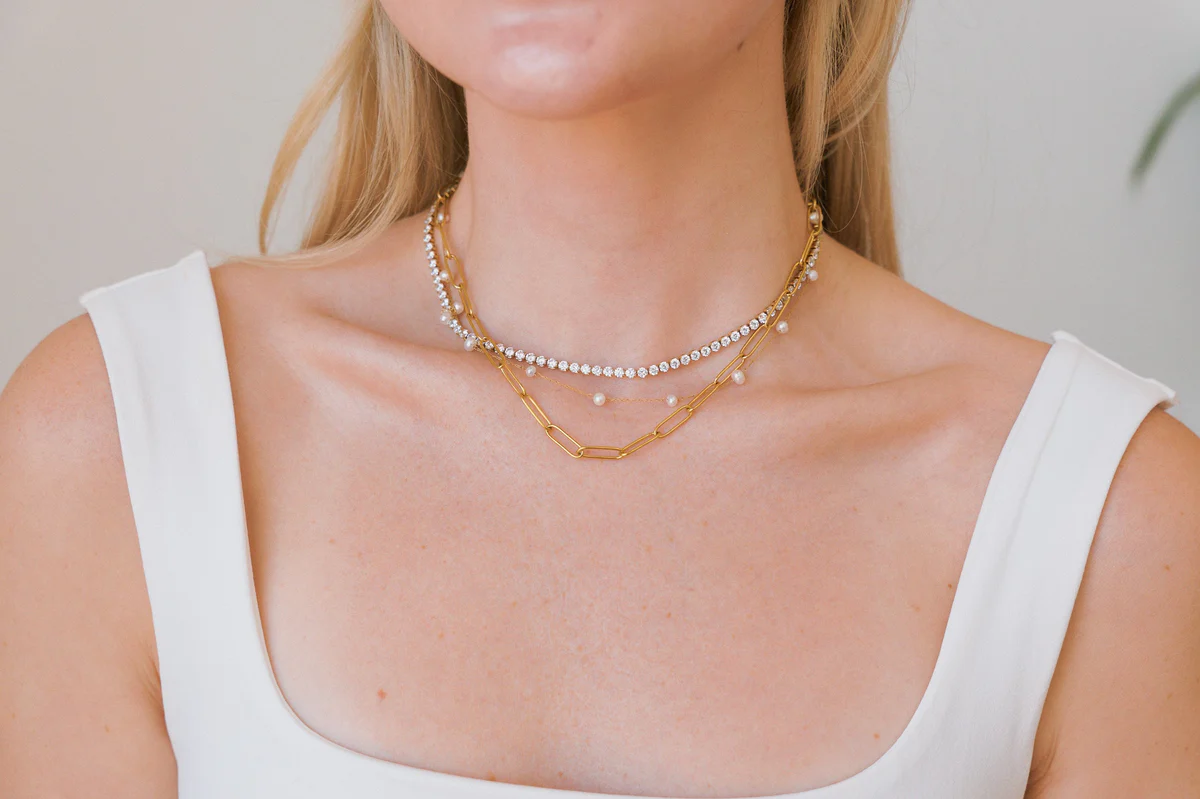
Accessories have the power to transform an ordinary outfit into a polished statement look. Yet many people hesitate to layer them because they worry about overdoing it or creating visual clutter. The truth is that layering accessories is less about quantity and more about balance, intention, and cohesion.
Fashion experts rarely treat accessories as afterthoughts. Instead, they build them strategically to add depth, personality, and visual rhythm to an outfit. With the right approach, anyone can master this styling technique and make their wardrobe feel more versatile without buying entirely new clothes.
Why Layering Accessories Matters
Layering accessories elevates your overall appearance by creating dimension. Instead of a single focal point, layered pieces guide the eye across your look and highlight your personal style.
When done correctly, layering can:
- Add texture to simple outfits
- Make basics appear more refined
- Express individuality without overwhelming your look
- Transition outfits between casual and polished effortlessly
- Help existing wardrobe pieces feel new again
Think of accessories as finishing touches that complete your visual story.
Start With a Style Direction
Before layering accessories, decide what mood you want your outfit to communicate. Expert stylists always begin with intention.
Some common style directions include:
Minimalist layering
Simple chains, thin rings, and subtle earrings create understated elegance.
Bold statement layering
Chunky necklaces, stacked cuffs, and oversized earrings create confidence and drama.
Classic layering
Pearls, watches, and structured leather accessories maintain timeless appeal.
Bohemian layering
Mixed textures, natural stones, and varied lengths add relaxed personality.
Choosing a direction prevents accessories from competing with each other.
Master the Art of Necklace Layering
Necklaces are often the centerpiece of accessory layering. The secret lies in spacing and contrast.
Start with three different lengths whenever possible. This creates a cascading visual effect instead of a tangled appearance.
A reliable formula includes:
- A short choker or collar-length piece
- A mid-length pendant necklace
- A longer chain or statement drop
Mixing textures also improves results. Combine:
- Chains with pendants
- Smooth metals with textured finishes
- Delicate strands with slightly heavier links
Avoid stacking necklaces of identical length because they overlap rather than layer.
Another professional tip is to match your neckline. V-neck tops work beautifully with layered pendants, while crew necklines pair better with shorter stacked pieces.
Stack Bracelets With Intention
Bracelet stacking is one of the easiest ways to add personality to an outfit. However, balance remains essential.
Instead of piling on similar pieces, mix:
- Metals and leather
- Slim bangles and wider cuffs
- Watches and bracelets
- Structured and flexible shapes
A common styling technique used by fashion professionals is to anchor the wrist with a watch first. Then layer complementary bracelets around it.
For example:
- Watch plus two slim bangles
- Leather wrap bracelet plus chain bracelet
- One cuff paired with delicate stacked strands
Keep proportions in mind. If bracelets feel heavy visually, limit stacking to one wrist.
Build a Cohesive Ring Stack
Stacking rings adds detail without requiring large statement pieces. The key is spacing and variation.
Fashion experts often combine:
- Midi rings with full-length rings
- Thin bands with textured designs
- One statement ring with several minimal rings
Avoid placing bulky rings on every finger. Instead, allow some negative space so your hands appear intentional rather than crowded.
Try stacking rings across different fingers rather than stacking everything on one.
Balance Earrings With the Rest of Your Look
Earrings influence the entire mood of your accessory styling. When layering other jewelry, consider how earrings interact with them.
If your necklaces are layered heavily, choose:
- Studs
- Small hoops
- Sleek drop earrings
If your earrings are statement pieces, keep the neckline cleaner.
Another expert technique includes mixing ear accessories across multiple piercings:
- Stud plus hoop combination
- Mini huggies layered upward
- Ear cuffs paired with subtle posts
This creates dimension without overwhelming your outfit.
Mix Metals the Right Way
Old fashion rules discouraged mixing metals, but modern styling embraces it.
The trick is intentional repetition.
Instead of randomly combining metals, repeat each metal at least once somewhere in your look.
For example:
- Gold necklace plus gold ring
- Silver bracelet plus silver earrings
- Rose gold watch paired with rose gold accent ring
Repeating tones creates harmony rather than contrast confusion.
If you are new to mixing metals, start with two tones before experimenting with three.
Use Accessories to Frame Your Outfit
Accessories should support your outfit instead of competing with it.
For patterned clothing:
Choose simpler accessories that echo one color from the pattern.
For monochrome outfits:
Layer accessories more boldly to create interest.
For structured outfits:
Add softer textures like layered chains or leather wraps.
For relaxed outfits:
Introduce one structured accessory such as a watch or cuff.
Fashion experts treat accessories as visual punctuation marks rather than decorations.
Layer Accessories Around a Focal Point
Professional stylists rarely layer randomly. Instead, they create a focal point first.
Examples include:
- A statement necklace
- A standout watch
- Bold earrings
- A signature ring
Once the focal piece is chosen, supporting accessories should complement rather than compete with it.
Think of layering as building around a centerpiece rather than stacking everything equally.
Coordinate Accessories With Fabric Texture
Texture plays a major role in expert-level styling.
Pair accessories with fabric intentionally:
Chunky knits pair well with:
- Thick chains
- Leather bracelets
- Larger rings
Silk and satin pair better with:
- Fine chains
- Sleek studs
- Minimal bracelets
Denim works with almost everything, making it ideal for experimenting with layered looks.
Matching texture keeps accessories feeling integrated instead of added on.
Layer Accessories Based on Occasion
Not every environment calls for the same accessory intensity.
For work settings:
Stick with subtle layered necklaces, watches, and slim rings.
For casual outings:
Experiment with stacked bracelets and mixed metals.
For evening events:
Introduce statement earrings and layered necklaces together.
For travel styling:
Choose versatile accessories that can be layered differently across multiple outfits.
Adapting layering to the occasion keeps your look polished and appropriate.
Avoid the Most Common Layering Mistakes
Even stylish wardrobes can look cluttered if layering is done incorrectly.
Common mistakes include:
- Wearing too many large pieces together
- Choosing identical accessory lengths
- Ignoring outfit neckline compatibility
- Mixing unrelated styles
- Forgetting balance between left and right sides
Instead of adding more accessories, sometimes removing one creates a stronger look.
Professional styling often follows the principle of thoughtful restraint.
Create a Signature Layering Style
The most stylish individuals develop recognizable accessory habits.
You might become known for:
- Layered gold necklaces
- Stacked minimalist rings
- Mixed-metal bracelets
- Statement earrings with simple outfits
Consistency builds identity and makes your styling feel intentional rather than experimental.
Over time, layering accessories becomes second nature rather than something you have to plan carefully.
FAQs About Layering Accessories
How many accessories should I layer at once
There is no strict rule, but most balanced outfits include three to five layered elements across the entire look rather than concentrating everything in one area.
Can beginners layer accessories without looking overdressed
Yes. Start with two necklace lengths or a watch plus one bracelet. Small steps create confidence while maintaining balance.
Is it acceptable to mix casual and formal accessories together
Yes, when done thoughtfully. A structured watch paired with relaxed leather bracelets often creates a stylish contrast.
Should accessories match shoes and bags exactly
Exact matching is no longer necessary. Coordinating tones or textures works better than strict matching.
What is the easiest accessory to start layering with
Necklaces are the simplest starting point because varying lengths naturally create dimension.
How do I keep layered necklaces from tangling
Choose different chain lengths and weights. Necklace spacers can also help maintain separation.
Can layered accessories work with minimalist outfits
Layered accessories often enhance minimalist outfits by adding personality without overwhelming simplicity